

Victory Comes Easy, The Consequences Won’t
By: Collin Jones
Last week, the United States and Israel launched a series of strikes targeting Iranian military facilities, naval assets, and elements of Iran’s nuclear program. The joint campaign, dubbed Operation Epic Fury by Washington and Operation Roaring Lion by Israel, marks one of the most direct military confrontations between the United States and Iran in decades. Beyond weakening Iran’s military and proxy networks, the strikes appear aimed at something far larger: the possible collapse of the Islamic Republic itself.
When these strikes began last week, I was truly surprised, not by what the targets were, but by their sheer scale. There had been an observable buildup of U.S. military assets in the region for weeks, but seeing the United States once again involve itself in another large-scale direct conflict with an adversary in the Middle East was still a shock. As a senior in college, preparing to graduate this spring, I have to say it has grown old very quickly watching us repeatedly attempt to fix problems that are not our own. Whether in Iraq, Syria, or Afghanistan, we have lost thousands of Americans in these direct conflicts. With so much to handle back home, including strengthening our economy, reducing nonstop excessive spending, and passing key domestic legislation, I hoped the Trump administration would focus more directly on issues here at home.
I have to admit, though, that witnessing pure American military dominance is a bit intoxicating. Regardless of whether one approves of American involvement in Iran, our forces are obliterating Iranian military assets with little to no resistance. We eliminated their leader on the first day, like it was a normal Thursday. We are so many leagues ahead of this adversary that reports suggest we knew Iran’s Supreme Leader was dead before Iran itself did. Very few countries could achieve such a feat, if any others can.
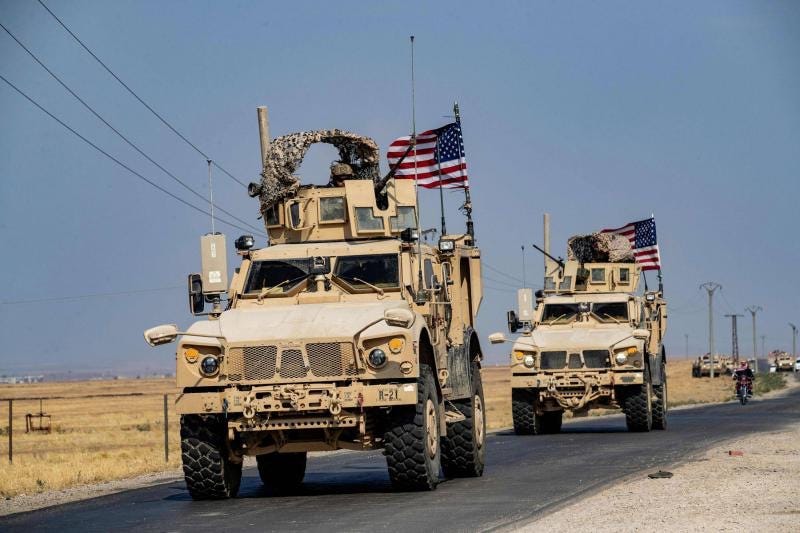
But for young people like myself, who often joke that if a third world war started right now, we would be the first to fight in it, the real question is whether this conflict is worth it. Will it solve the problems Iran faces, whether economically or politically? Will it create a larger problem than the one we faced while attempting to negotiate with Tehran? Are the reasons for initiating this conflict truly justified? And perhaps most importantly, will it leave us vulnerable if we face an adversary of closer to equal strength, such as China?
There is a lot to unpack in those questions. Right away, two of them stand out most: whether this conflict is justified and whether it will achieve its apparent primary goal of regime change in Iran. On both counts, the answer appears shaky at best. From a legal standpoint, the argument that this war is a preventative measure is weak, given that Iran was still years away from potentially acquiring a nuclear weapon and that there was no immediate direct threat back home in the States. As for whether regime change will succeed, history has repeatedly shown that regime change through military action is highly unlikely and often produces long-term instability.
Then there is the question of whether this conflict will create a larger problem for the United States, either in the region or at home. The situation has already begun to affect the Strait of Hormuz, which will inevitably raise oil prices given its central role in global energy trade. There is also the possibility of the conflict spreading beyond Iran. Whether it be the attacks on U.S. bases in neighboring countries or what may be an act of terrorism in Austin, Texas, could just be the beginning of the retaliation we might see. For Republicans specifically, this could become an issue they will have to answer for not only in the midterm elections but also in the next presidential race.
In my view, however, the greatest concern is that while we are engaged in a strategic competition with China for global supremacy, we are diverting time, money, and resources into a potentially unnecessary conflict. We are already burning through munition reserves that have been depleted by the war in Ukraine and the ongoing conflict between Israel and Hamas. Although the United States still possesses the most powerful military in the world and is supported by NATO, an escalation could stretch us thin in multiple ways. And as mentioned earlier, we are diverting our attention away from the very strength that makes us who we are: our massive economy. In the months ahead, Trump and his Republican allies will face difficult choices: whether to pursue rapid de-escalation, whether to be prepared for a wider regional war, and whether the collapse of the Islamic Republic is truly an outcome the United States is willing to manage. The answers to those questions may ultimately matter far more than the success of the first round of strikes.